
Reykjavík is the world’s northernmost capital and, with around 140,000 people in the city proper, one of its smallest. That is its advantage: almost everything worth seeing sits within a walkable core, and you can cover the highlights properly in a day and a half without ever taking a bus. Here are fifteen things that earn their place.
Landmarks and views
1. Hallgrímskirkja. The 74.5-metre church that dominates the skyline was designed by state architect Guðjón Samúelsson, begun in 1945 and not completed until 1986. Its stepped flanks are a deliberate echo of columnar basalt. Take the lift up the tower for the best view in the city — the coloured rooftops, the bay and, on a clear day, Mount Esja. The statue of Leifur Eiríksson out front predates the church; it was a gift from the United States in 1930.
2. Harpa concert hall. Opened in 2011 on the waterfront, with a façade of glass quasi-bricks designed by artist Ólafur Elíasson that shifts colour with the light. You can walk in for free, and the interior is arguably better than the exterior.
3. Sun Voyager (Sólfar). The steel sculpture on the seafront path is not, despite universal assumption, a Viking ship. Jón Gunnar Árnason described it as a dream boat and an ode to the sun. Best at sunset with Esja behind it.
4. Perlan. The glass dome on Öskjuhlíð hill sits on former hot water tanks and now houses a planetarium, an ice cave exhibit built from real ice, and a free 360-degree observation deck.
5. Grótta lighthouse. A twenty-minute drive or a long walk out to the tip of Seltjarnarnes, with a tiny warm foot bath beside the path. The best aurora spot reachable without a car, and a lovely sunset walk in summer. Check the tide — the causeway floods.
Museums and culture
6. The National Museum of Iceland, which runs from the settlement through to the present and is the single best hour you can spend understanding the country.
7. The Settlement Exhibition (Landnámssýningin), built around the excavated remains of a 10th-century longhouse discovered in situ beneath the city centre. Small, and genuinely striking.
8. Reykjavík Art Museum, which spans three buildings: Hafnarhús for contemporary work and Erró, Kjarvalsstaðir for Jóhannes Kjarval’s landscapes, and Ásmundarsafn in the sculptor’s own domed house. One ticket covers all three.
9. The Reykjavík Maritime Museum in the Grandi district, and Whales of Iceland next door, which hangs life-size models of every whale in Icelandic waters in a darkened hall.
10. Höfði house, the small white building on the shore where Reagan and Gorbachev met in 1986 in a summit widely credited with helping end the Cold War. You cannot go inside, but it is worth the detour.
Geothermal pools
11. Swim where Icelanders swim. Laugardalslaug is the biggest, with an Olympic-size pool, a water slide and a row of hot pots at graduated temperatures. Vesturbæjarlaug is the neighbourhood favourite. Sundhöllin, a beautifully restored 1937 indoor pool by Guðjón Samúelsson, has a rooftop terrace. Entry costs a fraction of any spa, and the hot pot is where the city actually talks to itself. Shower thoroughly without a swimsuit first — this is enforced.
12. Sky Lagoon in nearby Kópavogur if you want the polished version, with an infinity edge over the Atlantic and a seven-step bathing ritual. Or Nauthólsvík, a small geothermal beach where warm water is pumped into a lagoon of imported golden sand.
Food, drink and the harbour
13. Bæjarins Beztu Pylsur, the hot dog stand near the old harbour that has been running since 1937. Order "eina með öllu" — one with everything — and note that the onions go underneath the sausage.
14. The old harbour and Grandi. Whale watching and puffin boats leave from here; the surrounding warehouses now hold an ice cream shop, a chocolate factory, the Marshall House art spaces and some of the city’s better restaurants. Walk out along the Ægisgarður pier.
15. Kolaportið flea market, open weekends in a cavernous hall by the harbour, selling second-hand woollens, books, records and a food section where you can buy hákarl and dried fish from the people who make it.
Getting around, and when to go
The centre is compact enough that walking is almost always the right answer — Hallgrímskirkja to the harbour takes fifteen minutes. Strætó buses cover the wider area with a contactless app; there is no metro or tram. Do not rent a car for a city-only stay, as parking downtown is paid and the zones are strictly enforced.
Laugavegur is the main shopping street, and Skólavörðustígur — the rainbow-painted road running up to the church — is the prettiest. Both are pedestrianised in summer. If you are visiting in winter, note that the city goes dark by mid-afternoon in December, which is worth planning around: museums in the dark hours, walking in the light ones.
Reykjavík rewards a slow pace. Two days is plenty to see everything above, and a third gives you room for a pool, a long lunch and a Golden Circle run without rushing any of it.
Skip the queue
Things to do in Reykjavík

Reykjavík
Reykjavik: Catwalk Tour
Explore the city on a purr-fectly cattastic walking tour
from €68
Reykjavík
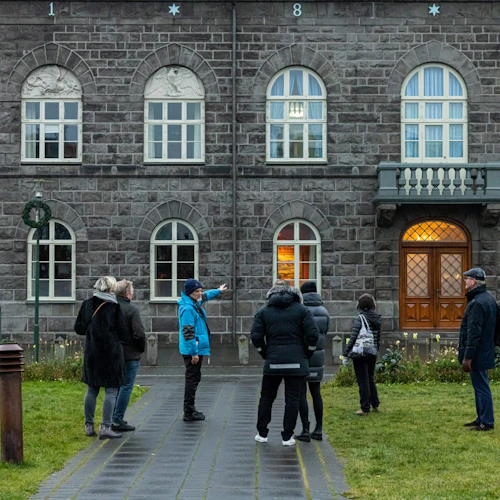
Reykjavik: Private Walking Tour
Discover Reykjavik's famous spots and secrets with a local guide
from €294

Reykjavík
Reykjavik: Beer & Booze Tour
Join this pub crawl to taste Iceland's distinctive craft beers and snaps
★ 4.7 (3)
from €116
Reykjavík
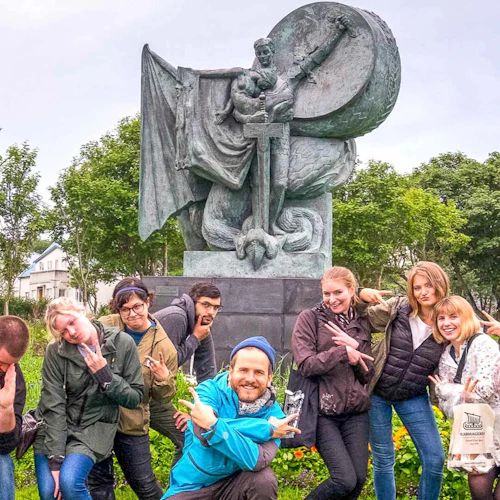
Reykjavik: Folklore Walking Tour
Learn about elves and more on this walking tour of Reykjavik
★ 4.5 (2)
from €49
We may earn a commission if you book, at no extra cost to you. Learn more · Prices may change.
Where to stay
Places to stay near Reykjavík
Compare hotels, guesthouses and cabins across Booking.com, Expedia, Vrbo and more. Book early in summer: rooms outside Reykjavík sell out.
We may earn a commission if you book, at no extra cost to you. Learn more
Before you go
Travel essentials
Airport transfer
A driver waiting at Keflavík arrivals, at a fixed price, to take you straight to your hotel.
Book a transfer →Stay online
Get a Saily eSIM before you fly: mobile data from the moment you land, no SIM swap or roaming bill.
Get an eSIM →Rent a car
Compare cars from local Icelandic rental companies, including 4x4s for the highlands and winter roads.
Compare cars →
We may earn a commission if you book, at no extra cost to you. Learn more

Written by
Erika Sand
Erika has spent the last decade driving, hiking, and hot-spring-hopping across Iceland in every season. She writes NRF.is’s itineraries, guides, and trip reports to help travelers see the country safely, affordably, and without the tourist-trap detours.